Introduction
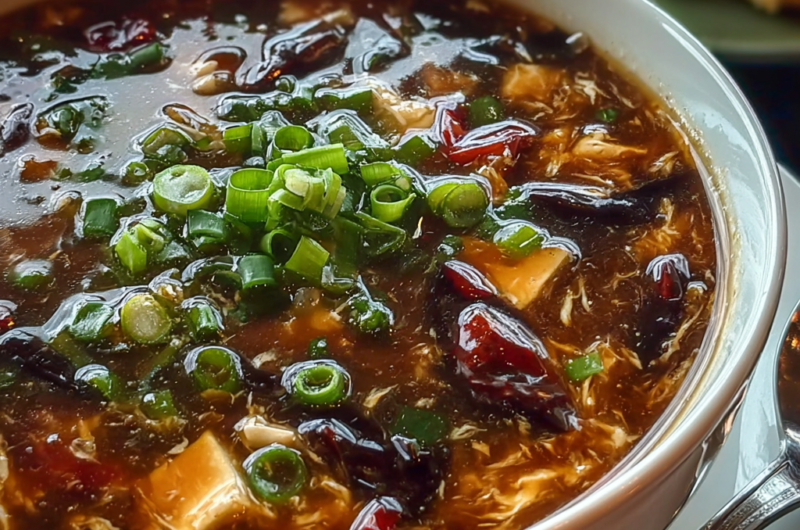
Hot and sour soup is a classic dish beloved in Chinese cuisine, celebrated for its bold flavors and comforting warmth. With the right balance of heat and acidity, this soup provides a symphony of tastes that brighten any table.
Originating from the Sichuan province, this dish varies widely in preparation, with each region adding its own twist. Whether you enjoy it as an appetizer or a main course, mastering this soup equips you with a versatile recipe that embraces both tradition and creativity.
Ingredients
- 6 cups chicken or vegetable broth
The broth serves as the base of the soup, providing depth and richness. A good quality stock enhances the overall flavor and allows the spices and other ingredients to shine. - 1 cup sliced shiitake mushrooms
These mushrooms add an earthy depth to the soup and a delightful texture. Their umami flavor perfectly complements the heat and sourness that characterize this dish. - 1 cup bamboo shoots, julienned
Bamboo shoots contribute a crunchy texture and mild flavor, which helps to balance the spiciness and acidity. They are a traditional component that adds authenticity to the dish. - 1 cup firm tofu, cubed
Tofu acts as a protein source and absorbs the soup's flavors while adding a creamy texture. It makes the soup more filling and enhances its overall enjoyment. - 2 large eggs, beaten
Eggs create a soft silkiness in the soup and contribute to its heartiness. They also enhance the nutritional value and add a touch of richness. - 3 tablespoons soy sauce
Soy sauce is essential for adding umami and a savory depth to the soup, enhancing all the other flavors. Choose a darker soy sauce for a richer color and flavor. - 3 tablespoons rice vinegar
Rice vinegar adds the necessary tanginess that defines hot and sour soup. It brightens the dish and balances the flavors, making it refreshing. - 2 tablespoons cornstarch mixed with 4 tablespoons water
This mixture serves as a thickening agent, helping to achieve the desired silky consistency of the soup. Adjust the amount based on your texture preference. - 1 tablespoon chili paste or sauce
Chili paste is crucial for imparting heat to the soup. Adjust the quantity according to your spice tolerance, as it can significantly alter the overall flavor profile. - 1 teaspoon white pepper
White pepper adds its own unique spice and heat, contributing to the 'hot' aspect of the soup. It's particularly common in Chinese cuisine for its distinctive flavor. - Green onions, for garnish
Green onions provide a fresh, crunchy contrast to the soup's texture. They give a colorful and aromatic finish on top.
Directions & Preparation
Step 1: Prepare the broth.
Start by heating the chicken or vegetable broth in a large pot over medium-high heat. This step sets the foundation of the soup, making sure that you have a flavorful base to which other ingredients can be added. As the broth heats, keep an eye on it to prevent boiling over.
Step 2: Add mushrooms and bamboo shoots.
Once the broth is simmering, add the sliced shiitake mushrooms and bamboo shoots. These ingredients need time to cook and infuse their flavors into the broth. Allow them to simmer for about 5 minutes, which softens the mushrooms while keeping them slightly firm for texture.
Step 3: Introduce tofu and soy sauce.
Gently stir in the cubed tofu and soy sauce, allowing the tofu to absorb the rich flavors of the broth. Tofu is delicate, so handle it with care, ensuring it remains intact. This step also deepens the soup's umami profile, making every spoonful satisfyingly savory.
Step 4: Incorporate rice vinegar and chili paste.
Add the rice vinegar and chili paste, stirring well to combine. This step is essential for striking the desired balance of flavor—tangy and spicy. Taste the soup regularly, adjusting the vinegar or chili paste as necessary to suit your preferences.
Step 5: Whisk in the cornstarch mixture.
In a small bowl, combine cornstarch with water, then whisk until smooth. Slowly pour this mixture into the simmering soup while stirring continuously. This not only thickens the soup but creates a silky texture that clings to the ingredients, enhancing each bite.
Step 6: Add the beaten eggs.
Reduce the heat to low and slowly drizzle in the beaten eggs while gently stirring the soup. This technique creates soft ribbons of cooked egg throughout the soup, adding richness and a beautiful presentation. Be cautious not to overcook the eggs; they should remain tender.
Step 7: Finish with seasonings and garnish.
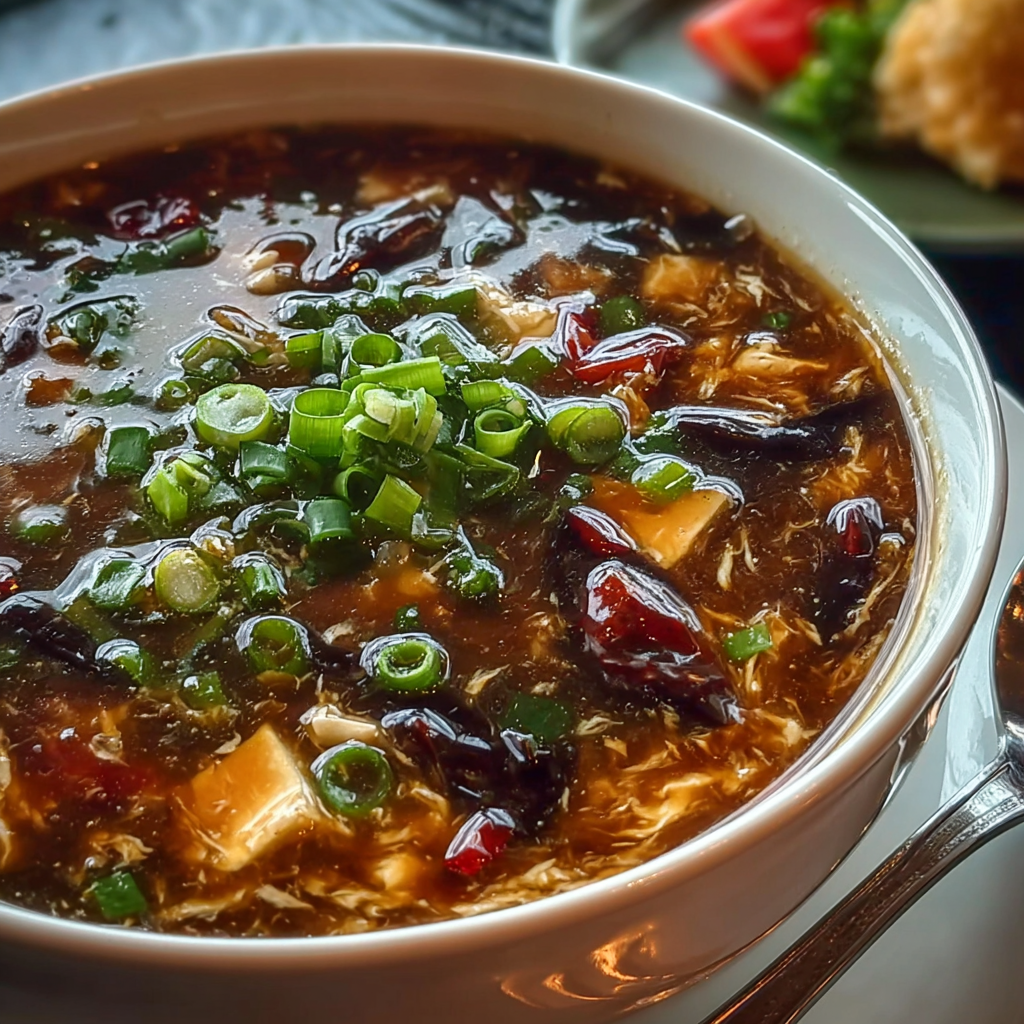
Finally, season the soup with white pepper to add warmth and finish with green onions for a fresh touch. At this point, the soup should have a harmonious blend of heat, tanginess, and savory depth. Serve immediately, garnished generously for visual appeal.

Balancing the Heat and Acidity
The hallmark of a successful hot and sour soup is its balanced flavor profile. The interplay between the heat from chili paste and the acidity from rice vinegar plays a vital role in distinguishing this dish. Adjusting these elements according to your palate allows for a personalized twist while retaining authenticity. Always taste and tweak as you go, ensuring that neither the heat nor the sourness overwhelms the other.
Selecting the Right Ingredients
Quality ingredients are integral to achieving the best results in hot and sour soup. Using fresh shiitake mushrooms instead of dried versions greatly enhances the soup's flavor and texture. Similarly, opting for sturdy tofu can help maintain form during cooking. Tailoring your ingredients to seasonal offerings can not only save money, but also heighten the taste of the dish.
Serving Suggestions and Variations
Hot and sour soup is versatile enough to serve as a standalone meal or paired with other dishes. Consider adding shrimp or shredded chicken to boost protein content, or throw in some greens like bok choy for extra nutrients. This dish can be customized endlessly, making it an excellent base recipe for various interpretations.
FAQs
What if my soup is too thick?
If the soup is too thick, simply add more broth or water until you reach your desired consistency. Stir well to integrate the additional liquid.
How can I adjust the spiciness?
To modify the spice level, reduce the amount of chili paste used or add more broth to dilute the heat. You can also include a dollop of sour cream or yogurt to mellow it.
What should I do if the soup tastes bland?
If you find the soup lacking in flavor, consider adding more soy sauce, rice vinegar, or white pepper. Each of these will enhance the overall flavor and bring the soup to life.
Can different types of mushrooms be used?
Yes, feel free to experiment with other mushrooms such as cremini or oyster mushrooms. Each type will impart a unique flavor to the soup.
What if I don't have cornstarch?
If cornstarch is unavailable, you could use potato starch or arrowroot as alternatives. Both will also effectively thicken the soup.
How can I make this soup vegetarian or vegan?
Substituting vegetable broth for chicken broth and using plant-based tofu will easily make the soup vegetarian or vegan. Just ensure no animal products are used in the optional additions.
Conclusion
Creating a delicious Chinese-style hot and sour soup not only warms the body but also satisfies the spirit. This dish exemplifies the beauty of balance in cooking, with its harmonious mix of flavors coming together in a single bowl.
Each spoonful encapsulates a world of taste, inviting you to savor and appreciate every element. So gather your ingredients and share this culinary experience with loved ones, enjoying not just the food but also the joy of preparing it together.
Recipe Card
Crafting the Perfect Chinese-Style Hot and Sour Soup
Ingredients
Method
- Prepare the broth.
- Add mushrooms and bamboo shoots.
- Introduce tofu and soy sauce.
- Incorporate rice vinegar and chili paste.
- Whisk in the cornstarch mixture.
- Add the beaten eggs.
- Finish with seasonings and garnish.
Notes
Additional serving suggestions: pair with a crisp salad, garlic bread, or roasted seasonal vegetables for balance.
For make-ahead, prep components separately and assemble just before heating to preserve texture.
Taste and adjust with acid (lemon/vinegar) and salt right at the end to wake up flavors.